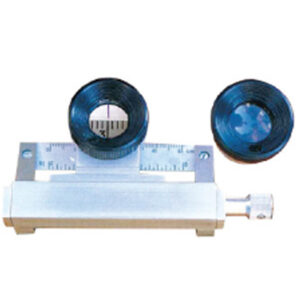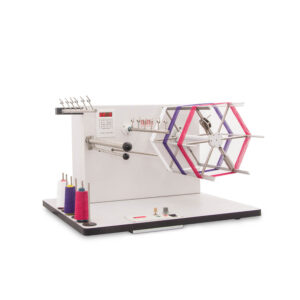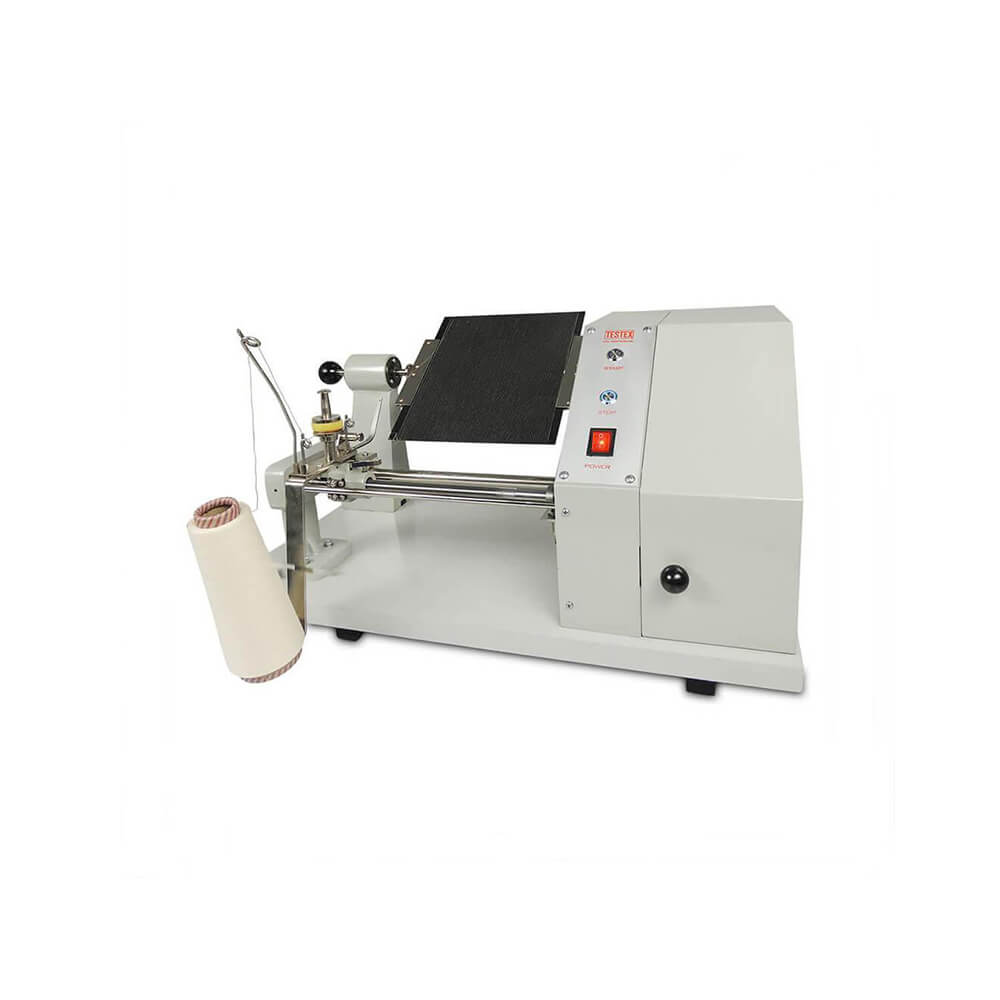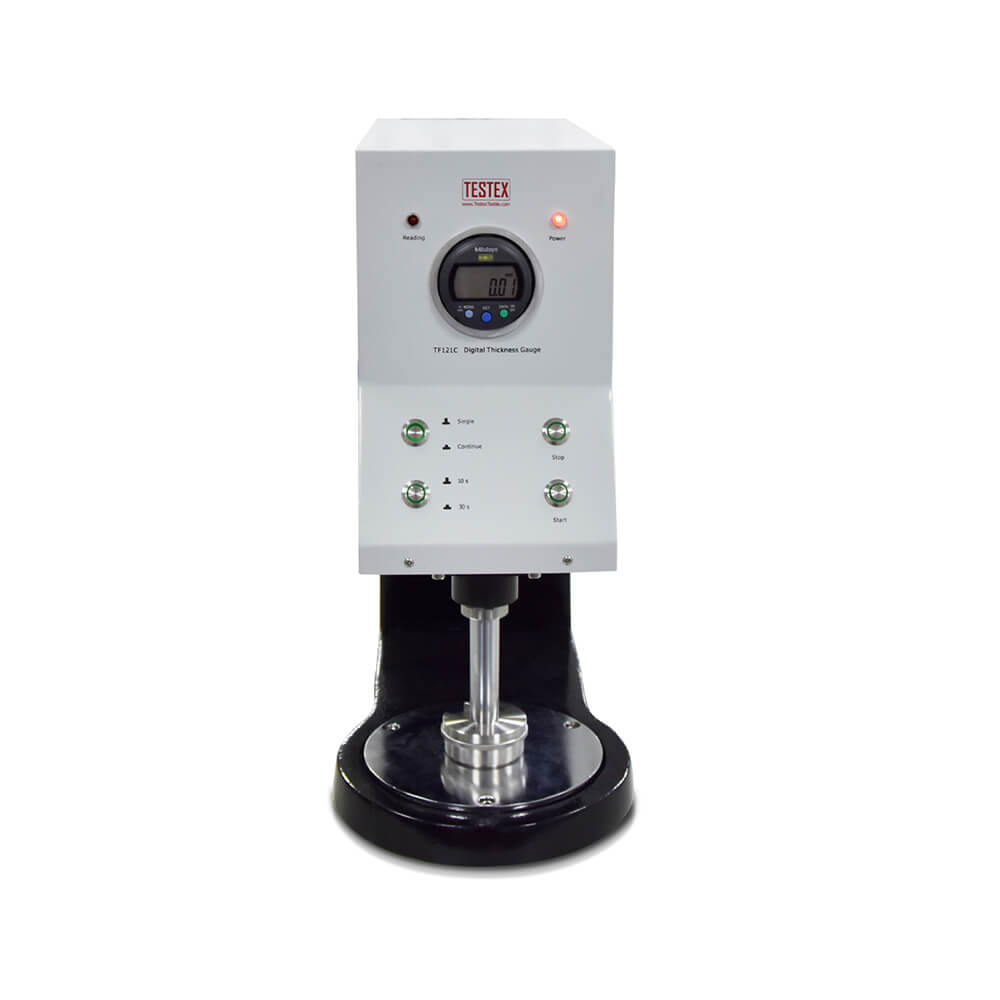
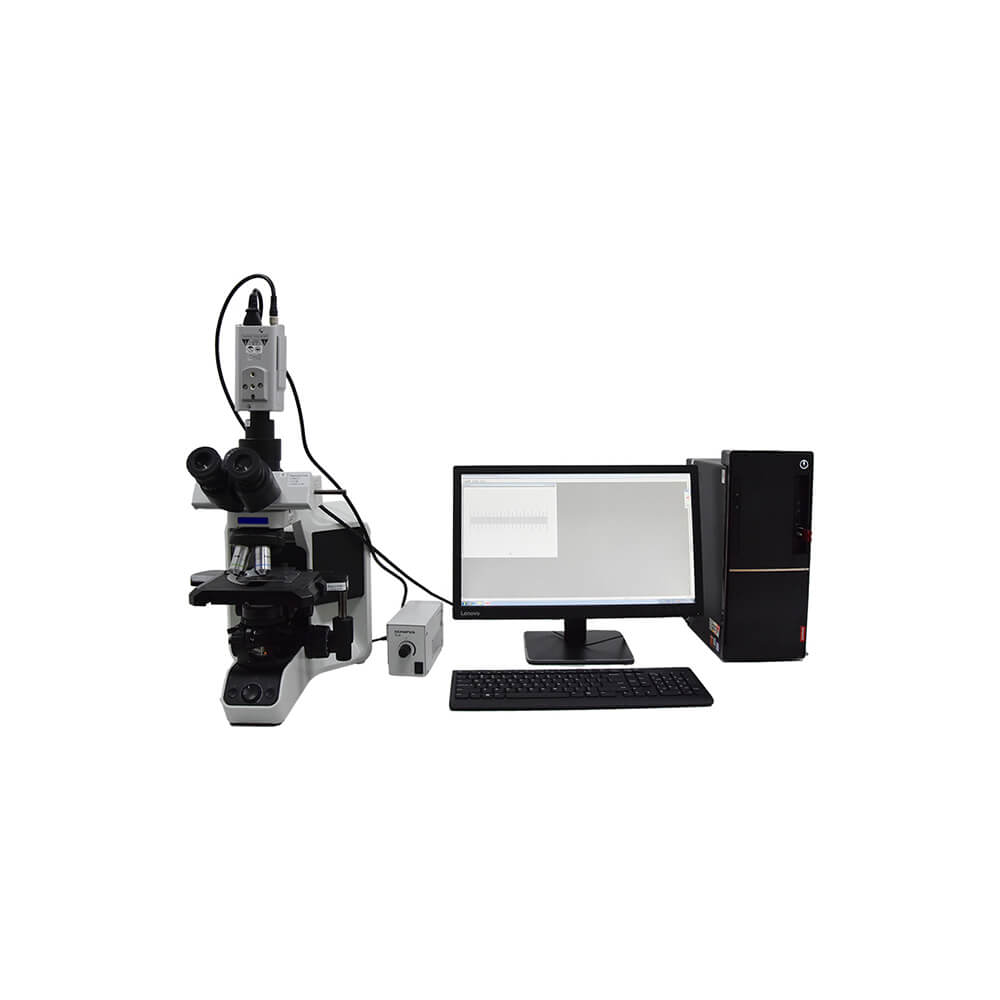
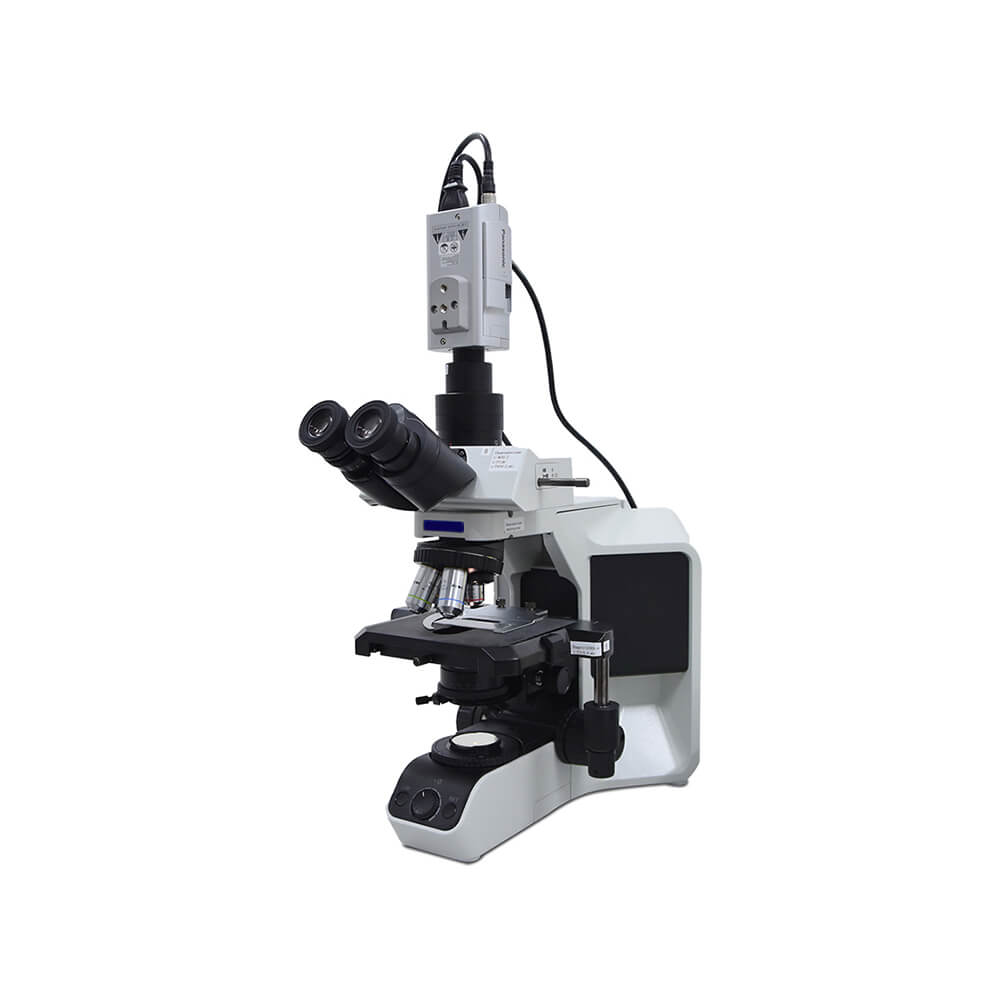
Fineness & Content Analysis System, or fibre analyzer, to determine the fineness of fiber and analyze the content and surface feature of textile fiber. The fineness Analysis System complies with AATCC20, ISO 137, ISO 17751, etc. Fiber testing&analysis are very important for textile factories or companies.
Description
Fiber Fineness & Composition & Content Analyser TB300 for determining the fiber fineness and analyzing fiber content, fiber composition, such as cotton, wool, man-made fiber, etc. It is based on digital image technology, which means that the operator selects the fibre object and then the fibre analysis system automatically measures the fibers and obtains statistical results. It is more advanced than the crude fiber analysis machines in the market.
Fiber Fineness Test
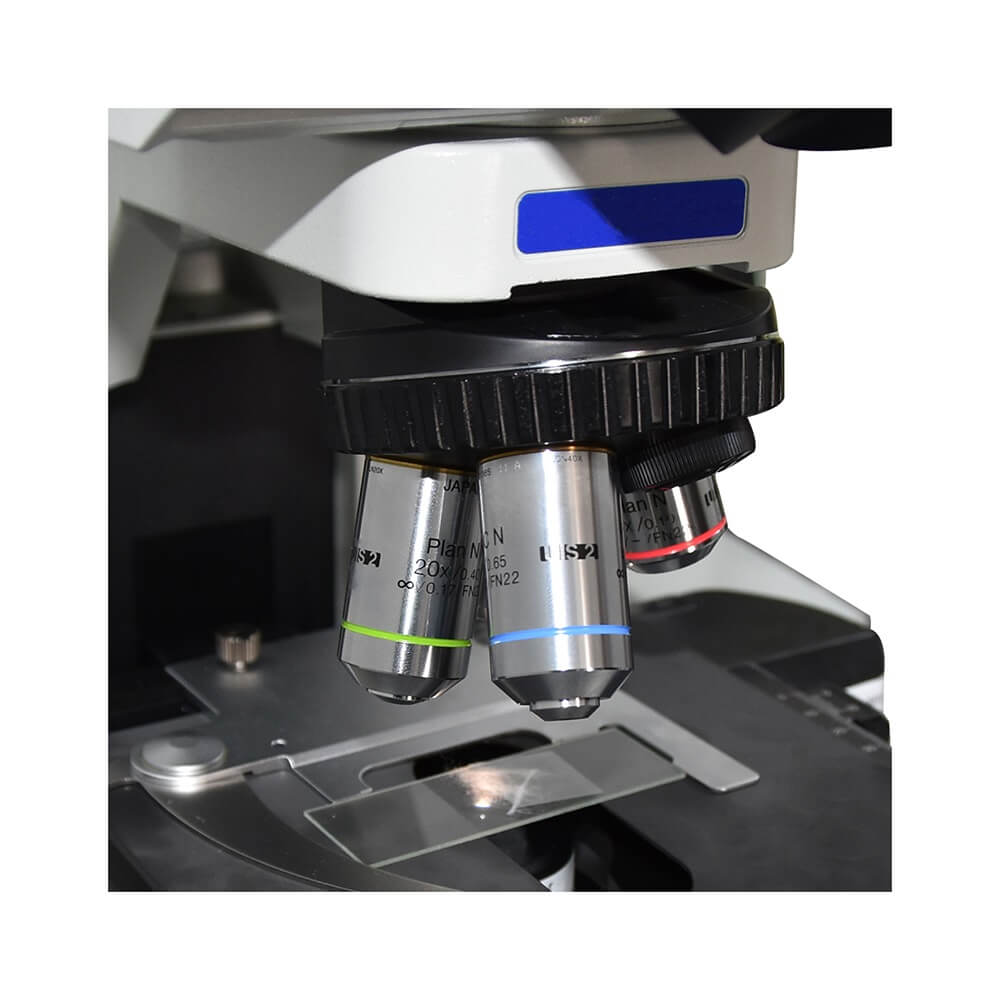
Use the fiber fineness tester to magnify the fibers and project them onto the screen. Then select the fiber object and the system will automatically calculate the fiber fineness. It is a kind of high efficient fiber fineness measurement.
Fiber Composition Test
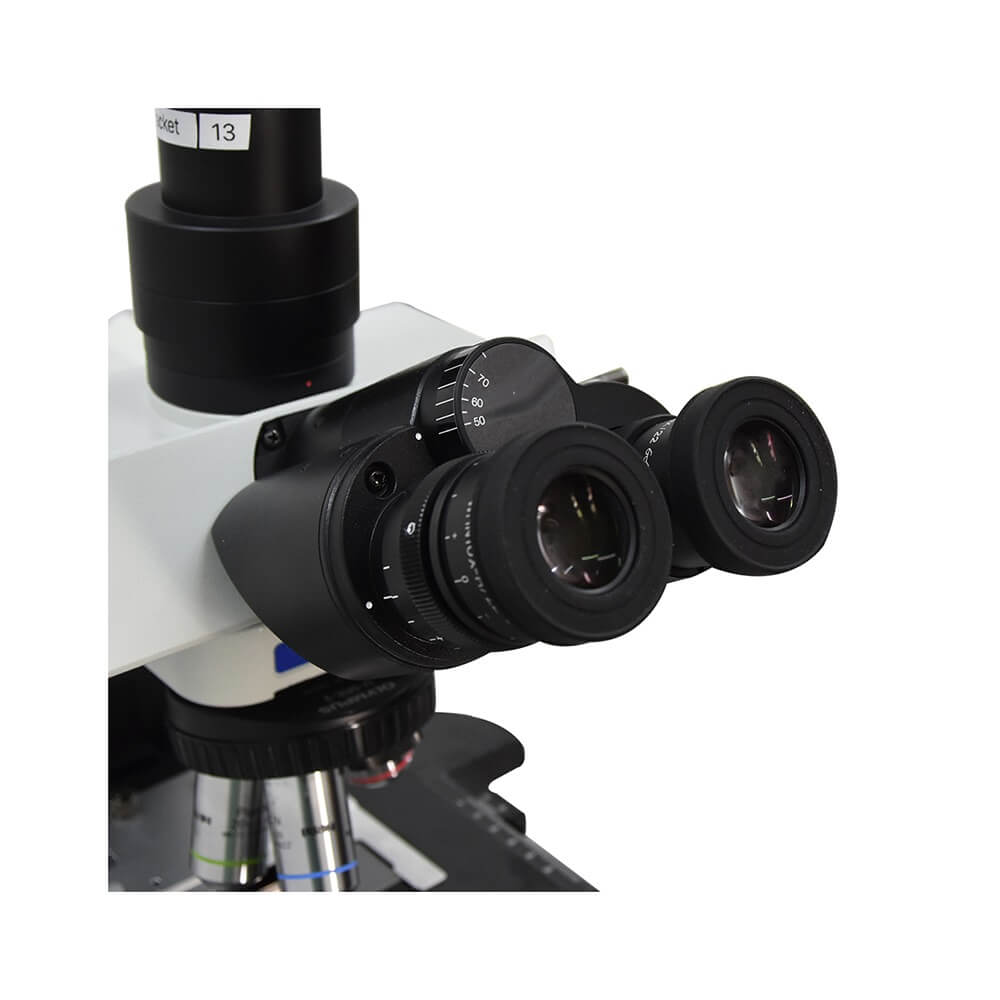
Use the microscope to magnify the fibers and project them onto a screen, then observe the morphology of the fibers. As different fibers have different morphological characteristics, it is possible to determine the composition of the fibers simply by comparing them with standard fiber photographs.
Fibre Content Test
Test the fiber composition first, then test the fiber diameter or cross-sectional area, as well as the number of fibers. Finally, the software calculates the fiber content automatically.
Note: This system needs a customized PC.
| Model | Standards | Function | Standard configuration | Power, Weight, Dimensions |
| TB300A Fiber Fineness Analyser |
ISO 137 | Fiber Fineness Test | Fiber fineness software microscope Camera Computer |
220/110V, 50/60Hz 70 kg 600 x 400 x 600 mm (L x W x H) |
| TB300B Fiber Fineness & Composition & Content Analyser |
ISO 137 ISO 17751-1 |
Fiber Fineness Test Fiber Composition Test Fiber Content Test: By checking the fiber longitudinal to test the fiber content. |
Fiber fineness & content software microscope Camera Computer |
220/110V, 50/60Hz 70 kg 600 x 400 x 600 mm (L x W x H) |
| TB300C Fiber Fineness & Composition & Content Analyser |
AATCC 20/20A ISO 137 ISO 17751-1 |
Fiber Fineness Test Fiber Composition Test Fiber Content Test: By checking the fiber longitudinal and cross section to test the fiber content. |
Fiber fineness & content software microscope camera Computer |
220/110V, 50/60Hz 70 kg 600 x 400 x 600 mm (L x W x H) |
Fiber Analysis – Principle of Microscopic Observation Method
Microscopic observation is a common method of analyzing fibers. Analysis of fibers by magnifying them using a microscope and observing their longitudinal and transverse morphology at certain magnifications.
Natural fibers have their own unique morphological characteristics, such as the natural curl of cotton fibers, the scales of wool, the transverse knots and vertical patterns of hemp fibres, the triangular cross-section of silk, etc. Natural fibres are therefore relatively easy to distinguish. Among the chemical fibres, viscose fibres have a circular cross-section with serrated edges and a skin-core structure, which makes them easy to distinguish from other fibres. However, chemical fibres such as polyester, acrylic, and nylon are easily confused under the microscope and can only be tested using other methods.
Why is Fiber Fineness Important?
Effect of fiber fineness on fiber, yarn, and fabric
Uneven fineness can lead to uneven yarns and yarn defects, but on the other hand, having a certain density of foreign threads is beneficial for the formation of certain qualities of the yarn.
①For the fiber itself
The thickness of the fiber will affect its specific surface area SS, the adsorption properties of the fiber, and the dyeing properties.
(b) Coarsening of the fibers, which increases the bending stiffness of the fibers, increases the point contact area, and the fibers become stiff and sticky to the touch and cold.
Uneven fineness between fibers causes differences in the mechanical properties of the fibers.
Differences in fineness within the fiber can lead to mechanical weakness of the fiber knots.
② Influence on yarn quality and spinning process
Relationship with yarn strength The finer the fiber, the higher the yarn strength, all other conditions being equal.
The finer the fiber, the more uniform the yarn is, all other conditions being equal; the finer and more uniform the fiber, the finer the yarn can be, provided that the yarn quality is maintained.
Relationship with the spinning process The finer the fiber, the easier it is to twist and break during processing and produce cotton knots and short fibers.
③The effect on the fabric
The different fineness of the fiber will greatly affect the feel and performance of the fabric. Such as underwear fabrics require soft, comfortable, and can be used finer; outerwear fabrics require stiff, generally available thicker fibers.
Welcome to TESTEX – a professional textile testing instrument supplier – Fiber Fineness & Composition & Content Analyser is on sale, contact us to get a detailed price quote.