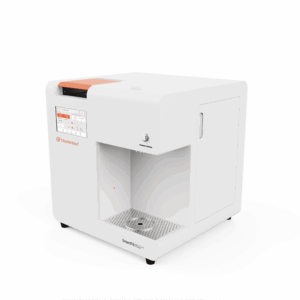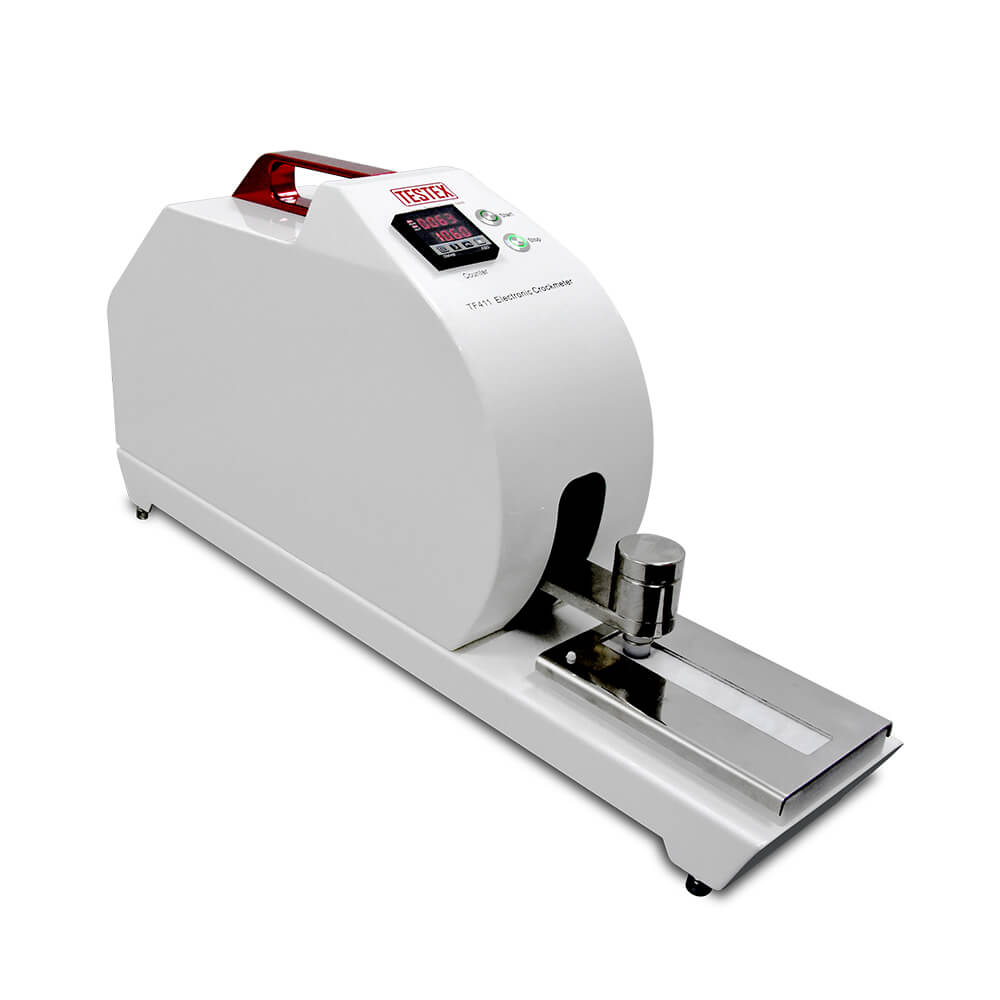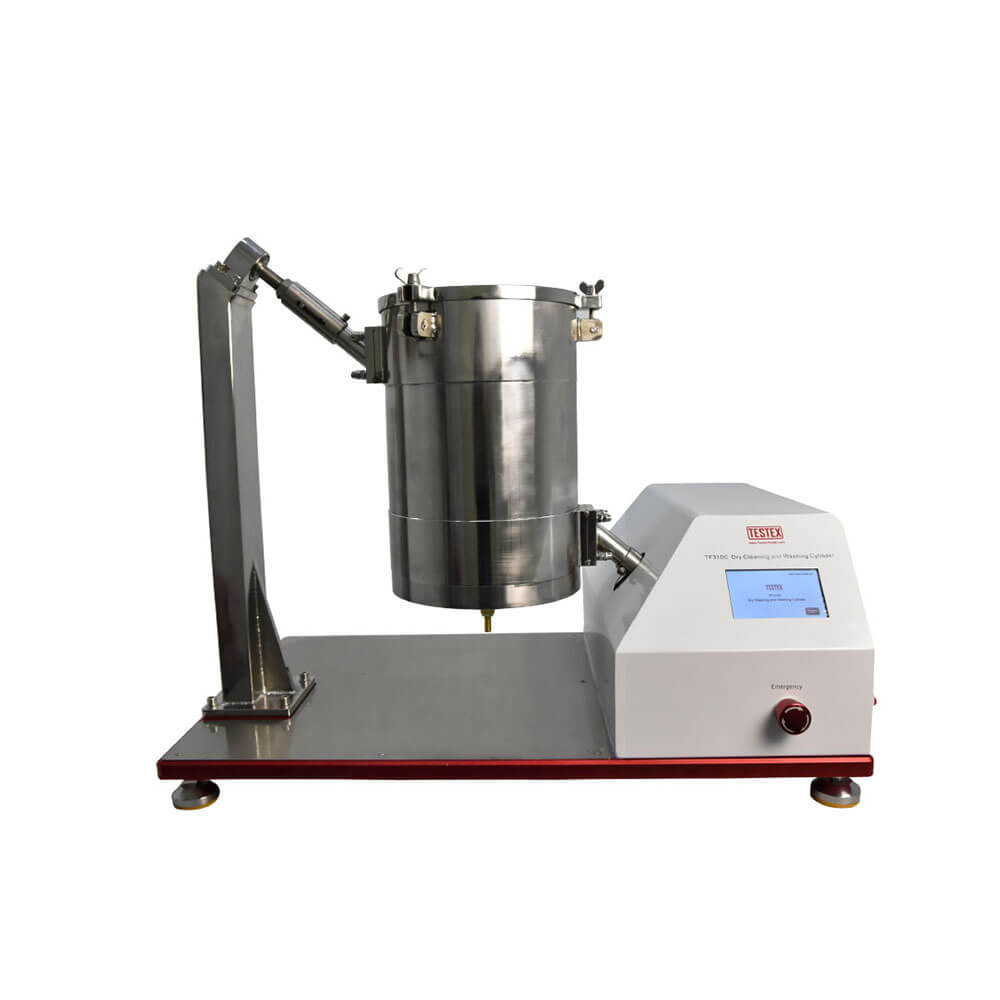
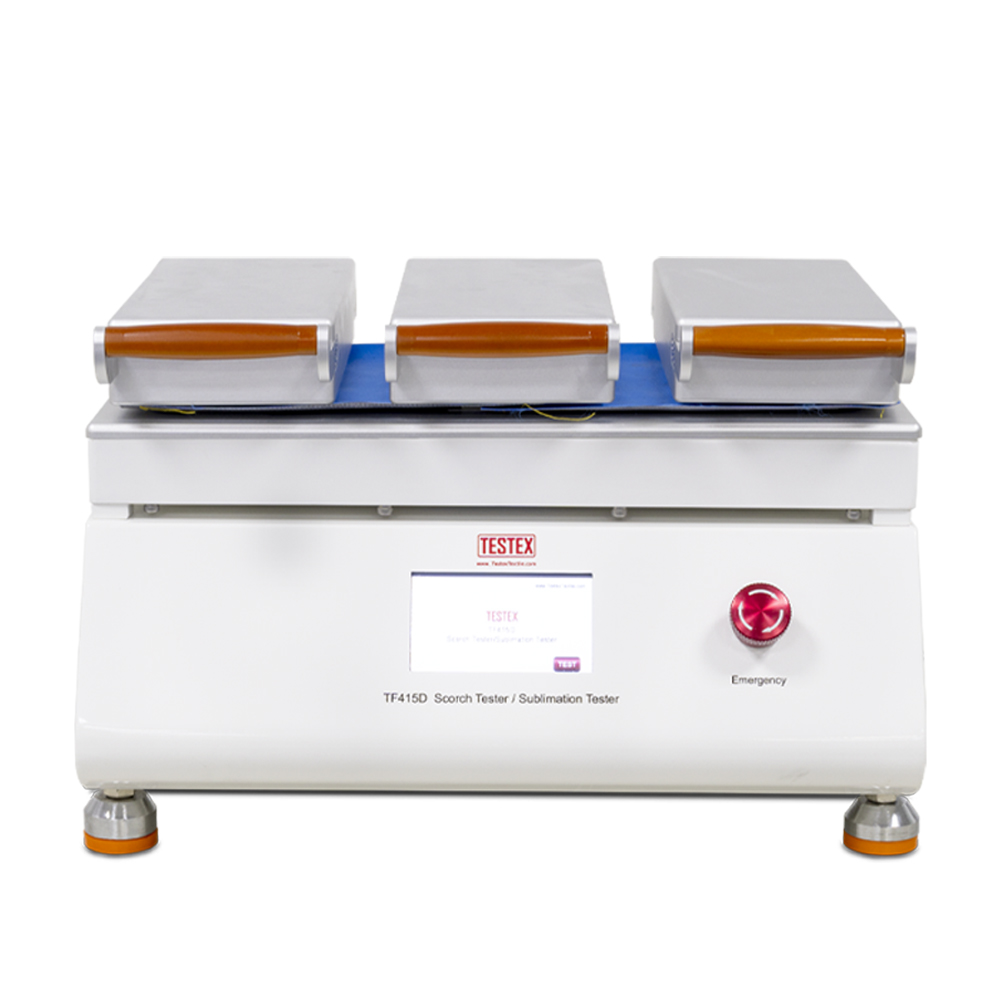
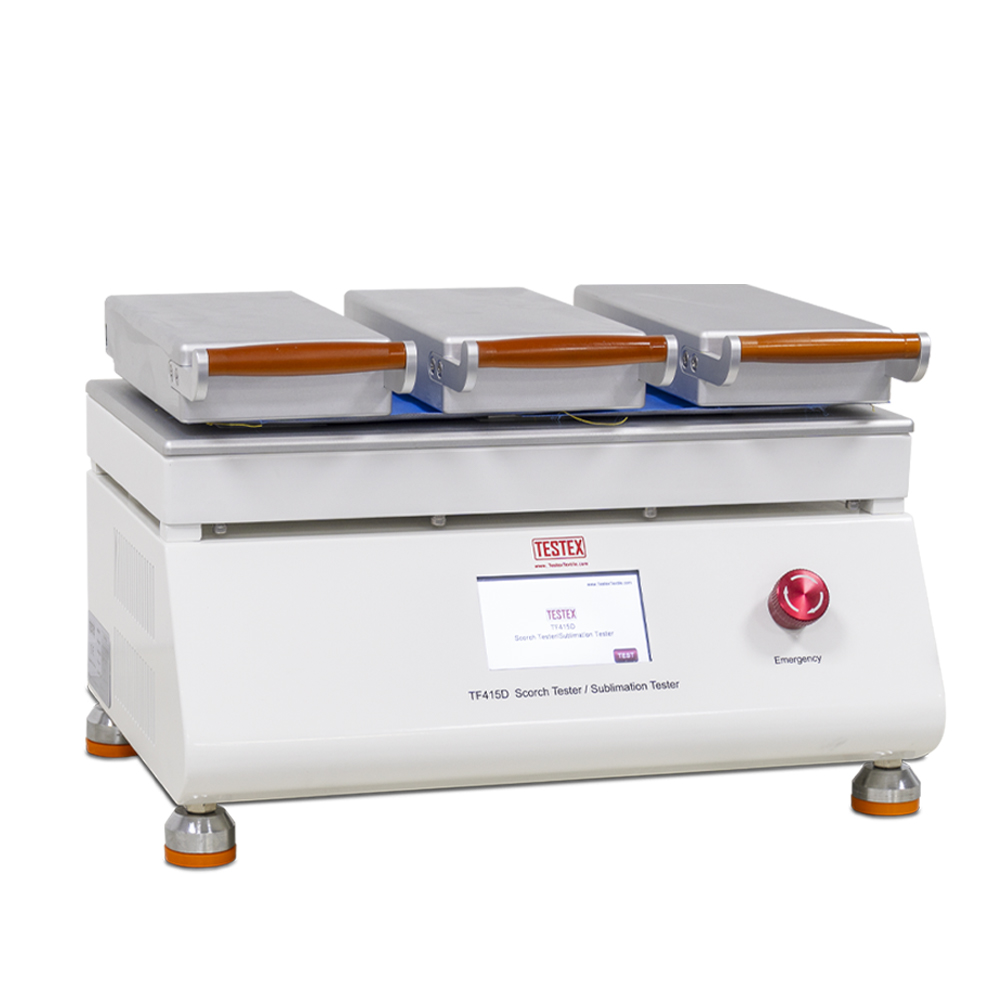
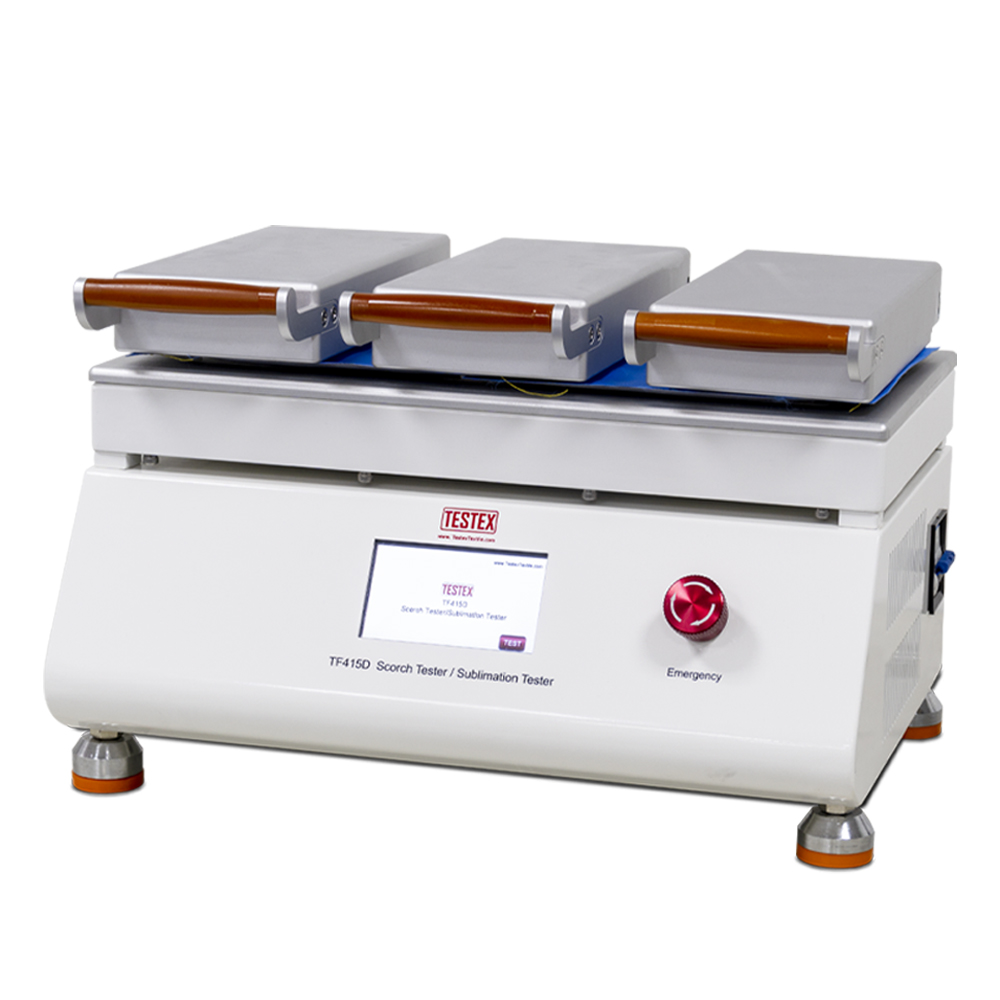
Scorch Tester, Sublimation Fastness Tester, or Ironing Sublimation Color Fastness Tester, is mainly used to determine the color fastness of various types of colored textiles under high temperature, hot press, and hot drum processing conditions. That is, the color resistance to high temperature, and heat pressure, so as to provide a basis for the reasonable selection of dyestuff, and determine the printing and dyeing process parameters, can also be used to test the quality of finished printing and dyeing products, test the dimensional stability of the fabric in the heat pressure, dry heat treatment.
Sublimation Fastness Tester TF415D complies with ISO 105, BS 1006, AATCC 92/114/117/133. Our sublimation machine price is reasonable.
Description
Application of Scorch Tester TF415D
This sublimation tester can be used for fabric sublimation color fastness test, chlorine loss (resin finishing fabric)test, bleached cloth yellowing test, disperse dyestuff sublimation color fastness test, reactive dyestuff water ironing fastness test, etc.
There are generally three types of fabric sublimation color fastness tests: dry press test (when the specimen is dry), semi-dry press test (when the specimen is partially wet), and wet press test (when the specimen is completely wet).
TESTEX is providing a series of color fastness machines. Also, you can also know more about the sublimation tests.
Features of Scorch Tester TF415D
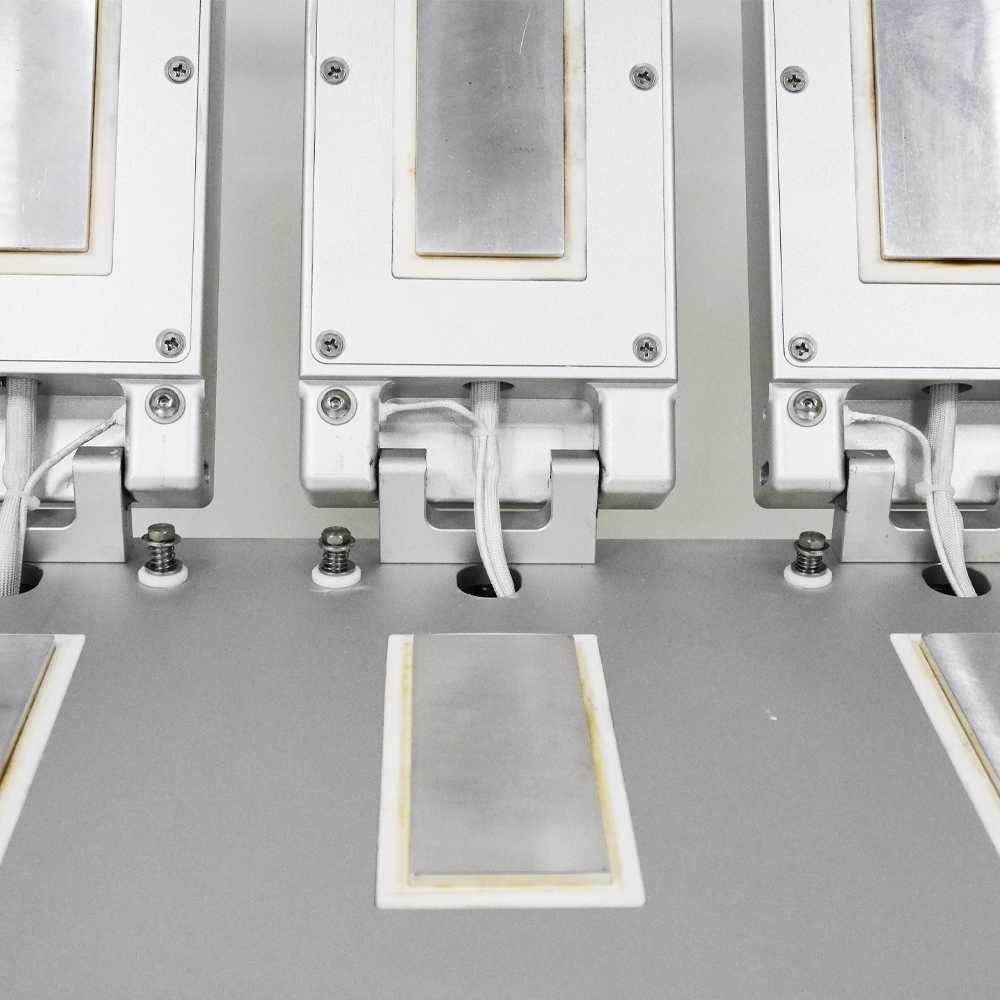
Accurate testing: The upper and lower heating blocks are made of aluminum alloy treated by grinding and sandblasting oxidation to ensure good coupling between the heating block and the sample, and the adiabatic body around the heating block is made of PTFE die-casting, which has good adiabatic property and ensures the uniformity of temperature.
Three stations, high efficiency: 3 different kinds of sample testing can be done at one time, and the temperature of the upper and lower heating plates of each station is accurately controlled by independent controllers, and individual temperature and time settings can be made.
Easy to use, long life: industrial grade color touch screen display and control, friendly human-machine interface, solid-state relay control of the heater, no noise on and off, long life.
Specifications of Scorch Tester TF415D
- Large LCD display, convenient setting, and operation.
- 3 pairs of heating plates, the heating temperature of each upper and lower plate can be set individually.
- Timer: 0 ~ 240 s, automatically stops heating and alarms
- Temp. Range: R.T. ~ 230°C
- Temp. Accuracy: +/- 2°C
- Pressure: 4 kPa +/- 1 kPa
- 3 stations with heating plate dimensions 120 mm x 50 mm
Accessories
| Standard Accessories: | Insulation cotton | ||
| Optional Accessories: | Heat-insulating asbestos sheet | Wool facecloth | Cotton cloth |
| DW multi-fiber cloth | AATCC NO.10A multi-fiber cloth | ISO discoloration/staining gray card | AATCC discolored/stained gray card |
Weight
| 23 kg |
Power
| 220 V | 50 Hz | 14 A | Other voltages require an external transformer |
Dimensions
| Length: 460 mm | Width: 310 mm | Height: 310 mm |
Standards
| ISO 105 P01/X11 | AATCC 117/133 | GB/T 5718 | GB/T 6152 |
Test Procedure of Sublimation Color Fastness Test
Before the experiment, the heat-treated or dried specimen material must be humidified (at a relative humidity of 65% ± 5% and a temperature of 21°C ± 2°C). The bottom plate of the heating device is covered by an asbestos sheet, wool facecloth, and dry undyed cotton cloth in order.
①Dry pressing: Place the dry specimen on the cotton cloth covered with wool flannel liner, put down the upper plate of the heating device, and heat the specimen for 15s under the specified hot pressing temperature. please note that some standards are the 30s, and set the time in combination with the standard.
②Tide pressure: Place the dry specimen on the cotton cloth covered with wool facecloth liner, soak a 12cm×4cm undyed cotton liner in distilled water, squeeze or shake the water to make it contain its own weight of water, and place the wet cotton liner on the dry specimen, put down the upper plate of the heating device, and heat the specimen for 15s or 30s under the specified heat pressure temperature.
③Wet pressing: Soak the dyed specimen and a 12cm×4cm piece of undyed cotton cloth in distilled water, then squeeze them so that their water content is equal to their own weight. Place the wet specimen on the cotton lining covered with wool facecloth liner and place the undyed wet cotton lining on the specimen, put down the upper plate of the heating device, and heat the specimen for 15s or 30s under the specified hot pressing temperature.
Grading
[Color change] Immediately evaluate the color change of the specimen with the corresponding color change gray card, and then the specimen is humidified in the standard atmosphere for 4h before evaluation. [Staining] Immediately assess the staining of the cotton lining fabric with the staining gray card. Evaluate the cotton lining fabric staining the heavier side.